Who sits where at a wedding ceremony?
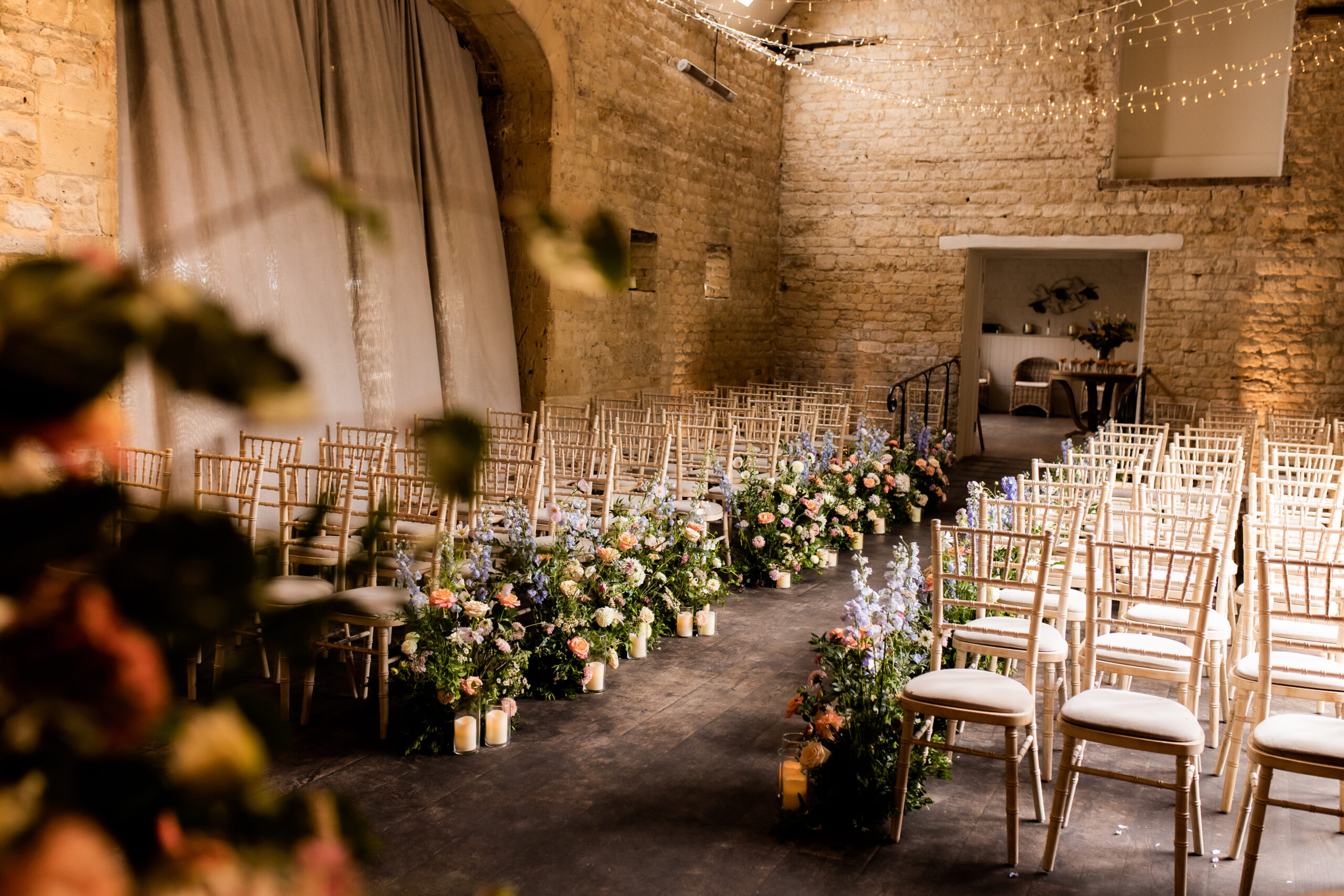
Before you start thinking about wedding reception seating, it’s helpful to have a clear understanding of who sits where at a wedding ceremony. At a typical UK wedding:
- The bride’s parents sit in the front row on the left-hand side of the aisle
- The groom’s parents sit in the front row on the right
- Close family members, such as grandparents, siblings, and extended relatives, fill the rows just behind the parents
Guests would traditionally sit on either the ‘bride’s side’ or the ‘groom’s side’. Nowadays, many couples are adopting a more relaxed and inclusive approach by encouraging their guests to sit wherever they feel comfortable. A simple “Pick a seat, not a side” sign usually does the trick.
Who sits at the top table at a wedding?
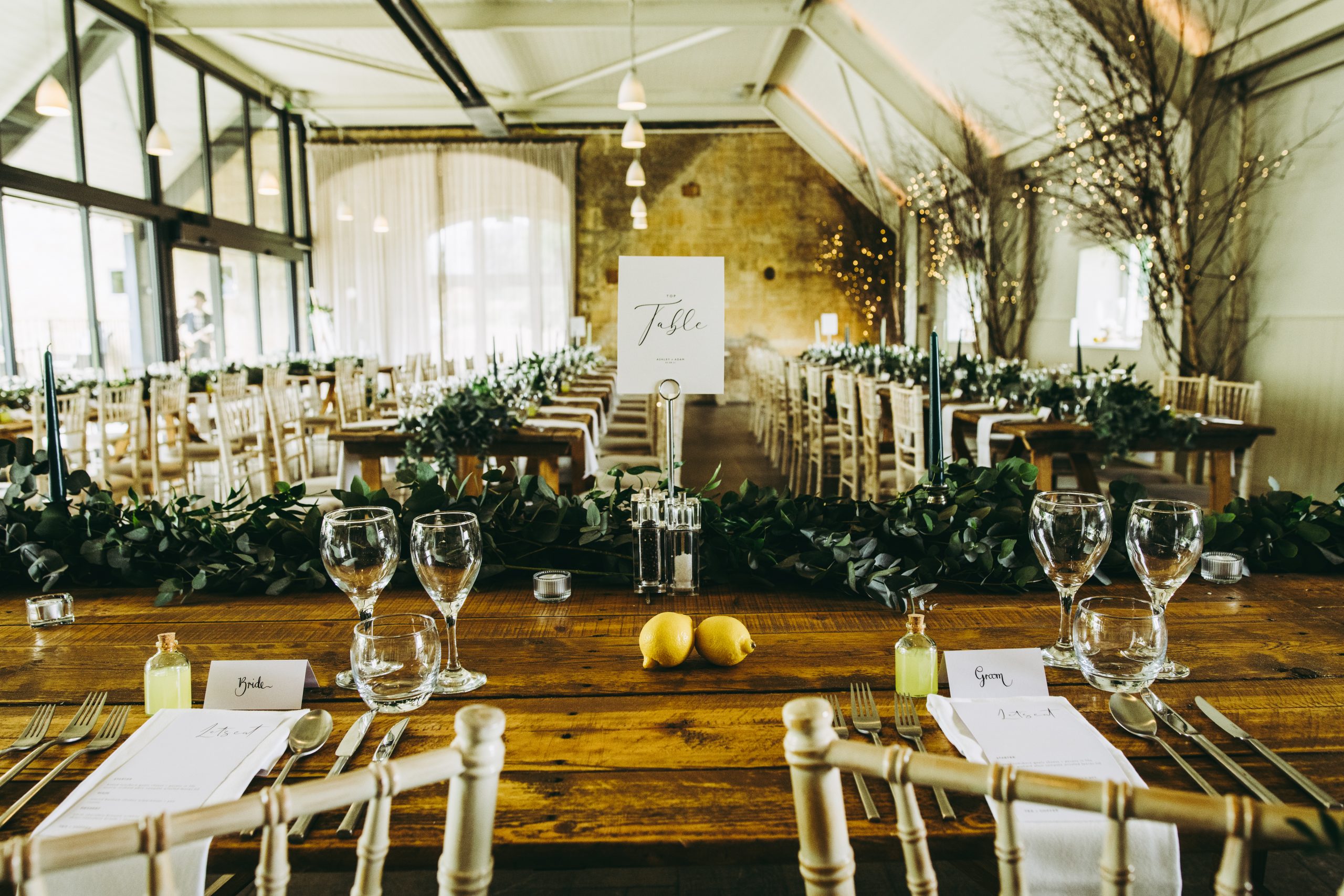
The top table (also known as the head table) is a key focal point during your wedding breakfast. But the good news is that there isn’t just one way to seat your guests on the top table.
On a traditional banquet top table layout:
- The couple sit at the centre
- The best man sits next to the bride
- The maid of honour sits next to the groom
- Parents and key members of the wedding party complete the table
But in 2026, we’re now seeing lots more:
- Sweetheart tables to seat just the two of you
- Mixed top tables including friends, partners, or chosen family
- Round top tables to create a more intimate and sociable feel
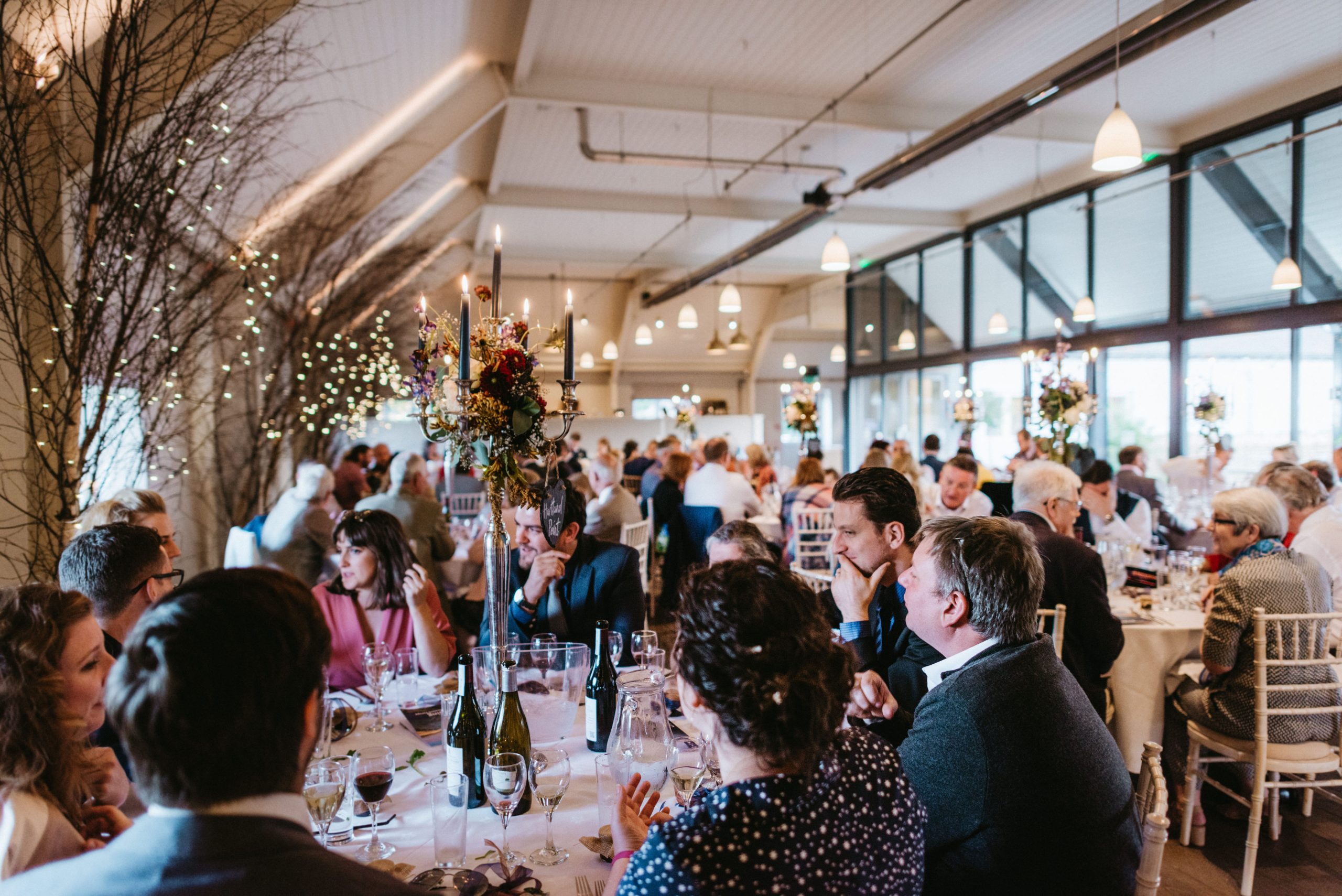
Where should guests sit at the reception?
Family
We recommend seating close family near the top table, either together or across a couple of tables. Traditionally, families would have been kept separate, but many couples now choose to mix both sides, particularly if the families already know each other.
Friends and colleagues
It’s important to group your guests together in such a way so that conversations flow naturally. You could seat people together that have shared interests or hobbies, or are similar ages. If possible, ensure that each guest has at least one familiar face at their table – or if they’re attending alone, place them with friendly, sociable guests to put them at ease.
What are the different wedding table styles?
Round Tables
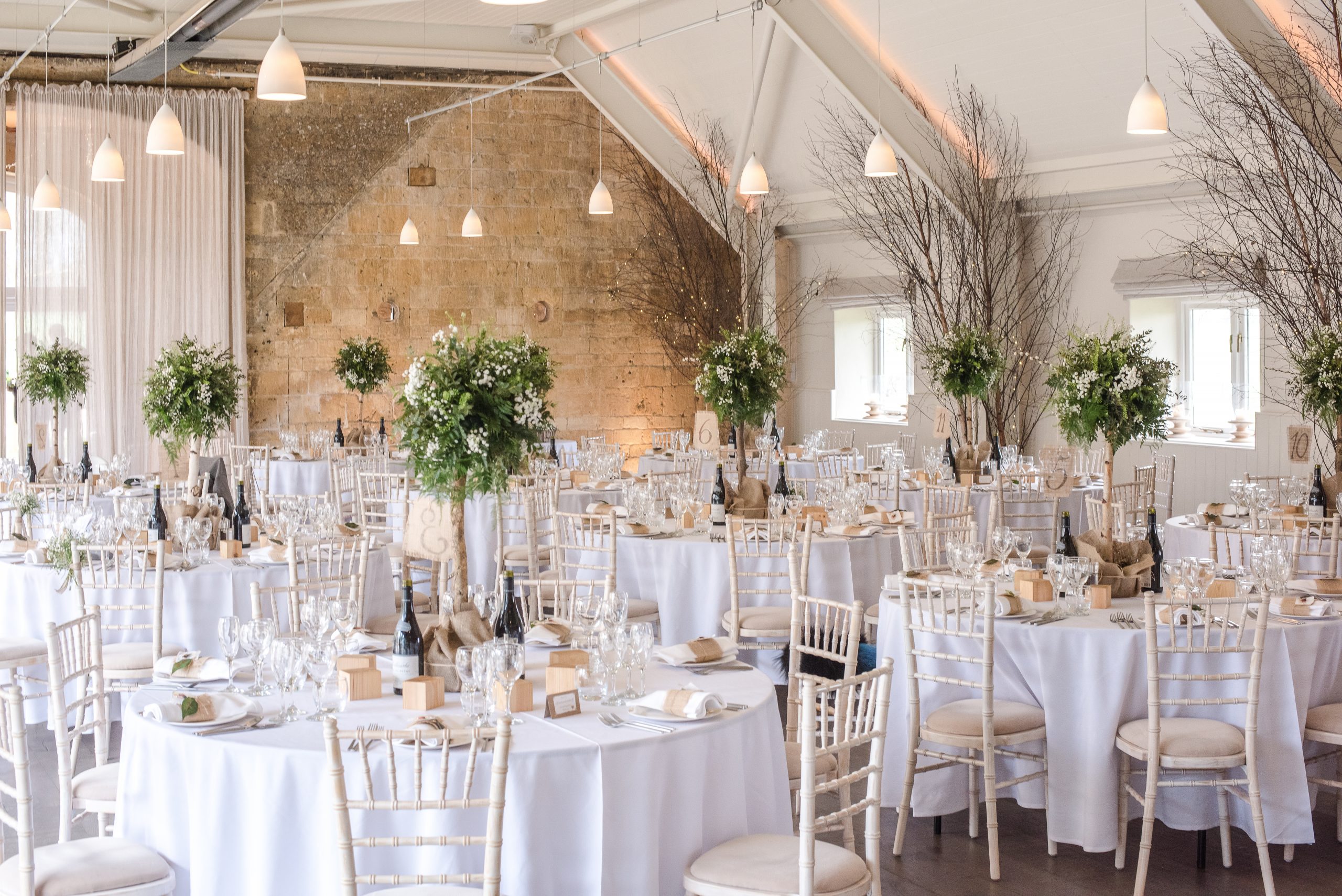
Round tables are a timeless favourite. They typically seat between 6-12 guests and suit a wide range of wedding styles.
Pros:
- They create a classic, elegant aesthetic that complements both traditional and contemporary styling
- They encourage conversations in small groups, which is ideal for your guests who already know each other
- They help to maximise capacity, making them a practical choice if you have a larger guest list
Things to consider:
- It can be difficult for your guests to engage with everyone on larger round tables
- Conversations may naturally split into smaller groups
- Styling is usually centred around one focal arrangement, rather than a continuous tablescape
Best suited for:
Couples who are planning a classic wedding breakfast with a more structured feel.
Rectangular (Trestle) Tables
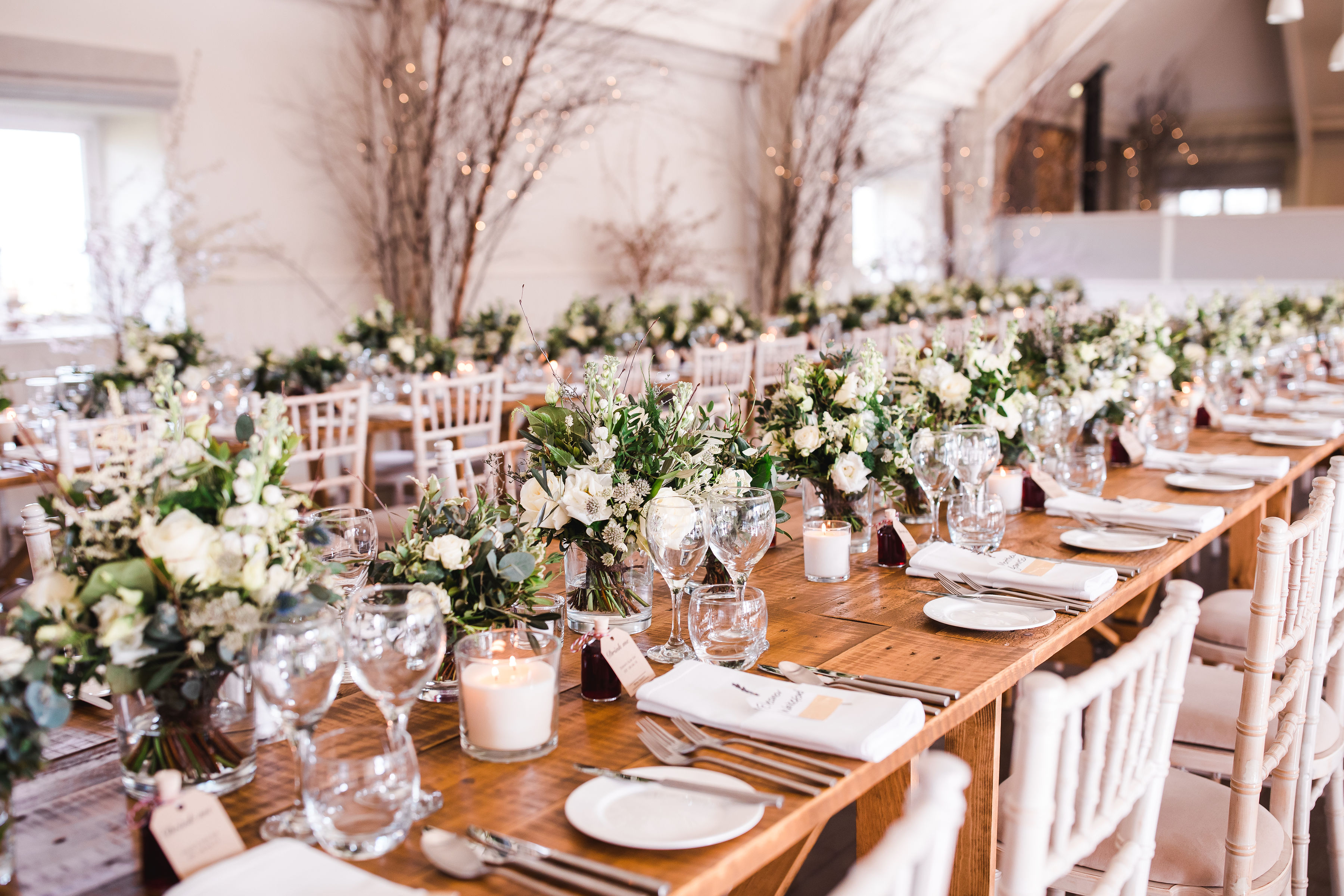
Rectangular tables are a beautiful choice for barn weddings. They look more formal and can seat up to a dozen guests.
Pros:
- They encourage a more relaxed, flowing style of conversation, with guests able to chat across, along, and even between tables
- They help to create a shared dining experience that feels warm and inclusive
- They’re ideal for long, flowing styling – think soft linen runners, seasonal foliage, and candlelight that stretches the length of the table
Things to consider:
- You need to space the tables out carefully so that guests and staff can easily access their seats
- They may reduce the overall capacity depending on your layout
- You need to put a little more thought into your seating plans to balance both sides of the table
Best suited for:
Couples that are drawn to a more modern aesthetic and want an informal, communal dining experience.
Mixed table layouts
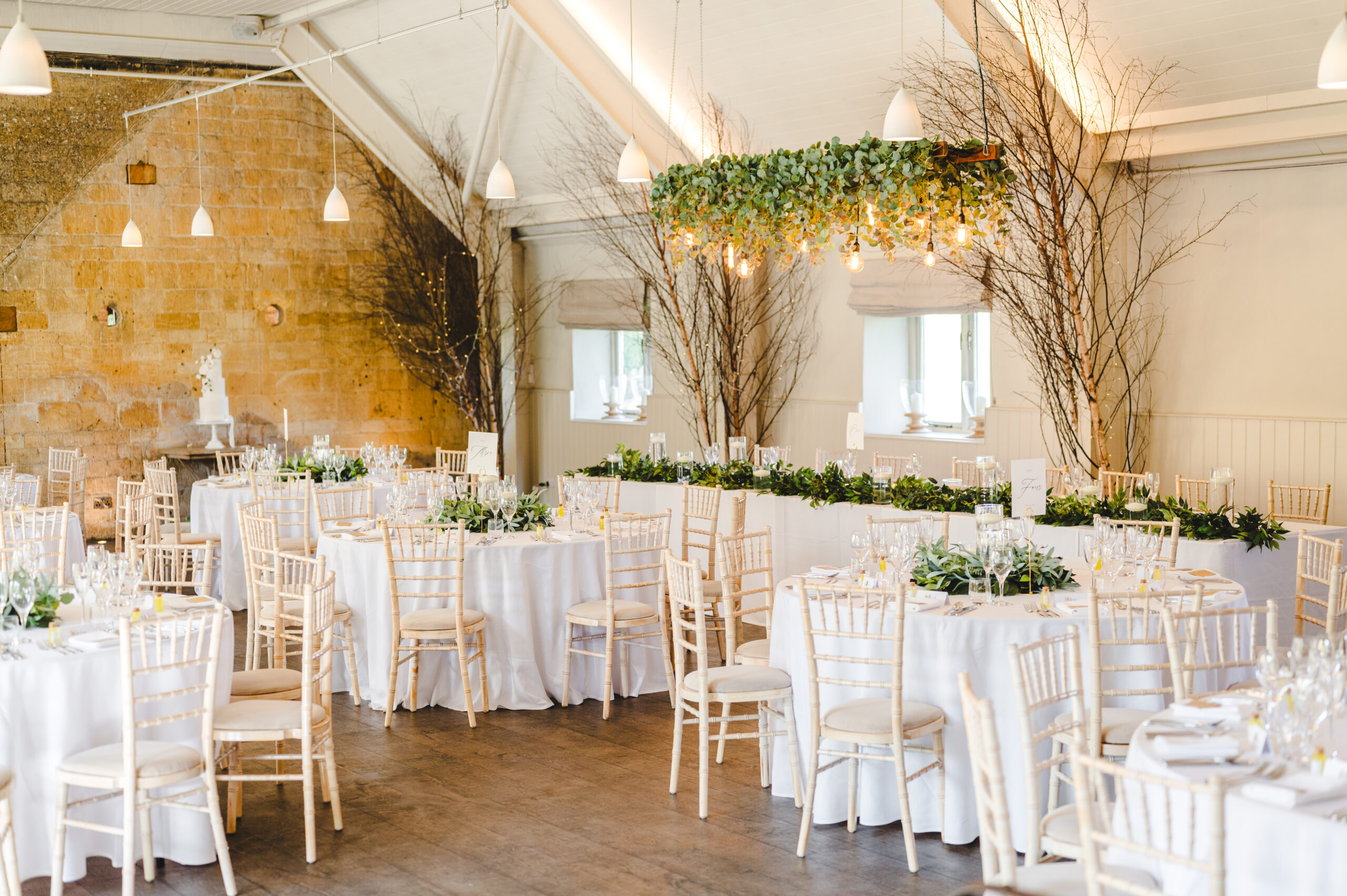
Want the best of both worlds? More and more couples are now combining different table styles, and it’s easy to see why.
Pros:
- You can seat your family members or older guests around round tables if they prefer a more traditional setting
- You can incorporate trestle tables for your friends and colleagues to create a livelier atmosphere
- Adds visual interest to the reception space
Things to consider:
- You need to carefully plan where each type of table will sit to ensure the space still feels cohesive
- Ensure that your styling ties everything together, rather than making each table look separate
Best suited for:
Couples who want a more personalised layout that suits everyone on their guest list and makes full use of the space.
How to create the ultimate wedding seating plan (without the stress)
- Begin by placing immediate family, your wedding party, and any elderly guests. Consider their accessibility needs and keep them close to key areas.
- Group your other guests (friends, colleagues, and extended family) into natural circles based on who will genuinely enjoy sitting together.
- If you’re not sure how to group certain guests, try balancing the personalities on each table, for example by mixing quieter guests with more outgoing personalities.
- Consider how your tables will sit within the space and ensure there’s enough space for your guests and staff to move comfortably.
- Use a digital tool or create a physical layout to map everything out. This will ensure you can move your guests around easily as RSVPs change
Bring your wedding plans to life at Lapstone Barn
Lapstone Barn offers the ideal blank canvas to host the wedding day of your dreams. Exchange your vows in our beautifully restored Stone Barn, before moving into our light and airy reception space to dine, celebrate, and dance the night away. Our experienced wedding planners are here to guide you throughout the entire wedding planning process and help you plan your dream day, your way.
Contact us to arrange your viewing of our Cotswolds wedding venue and start bringing your plans to life.