How Long Is a UK Wedding Ceremony?
The length of your wedding ceremony depends on the style you choose:
- Registry office ceremony: 10–20 minutes
- Civil ceremony at a licensed wedding venue: 25–40 minutes
- Church wedding: 45–60 minutes (sometimes longer with Holy Communion)
- Celebrant or humanist ceremony: 30–60 minutes
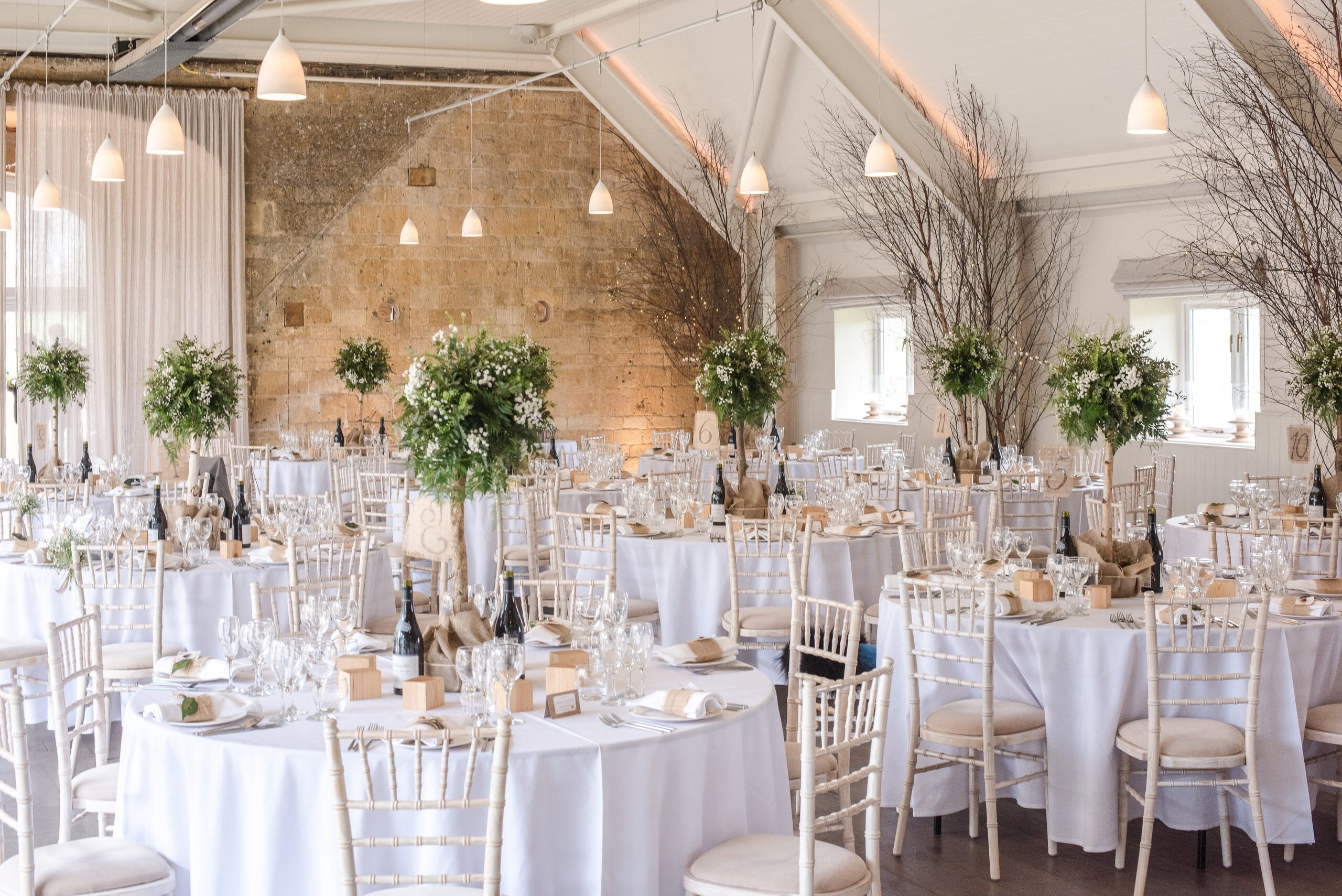
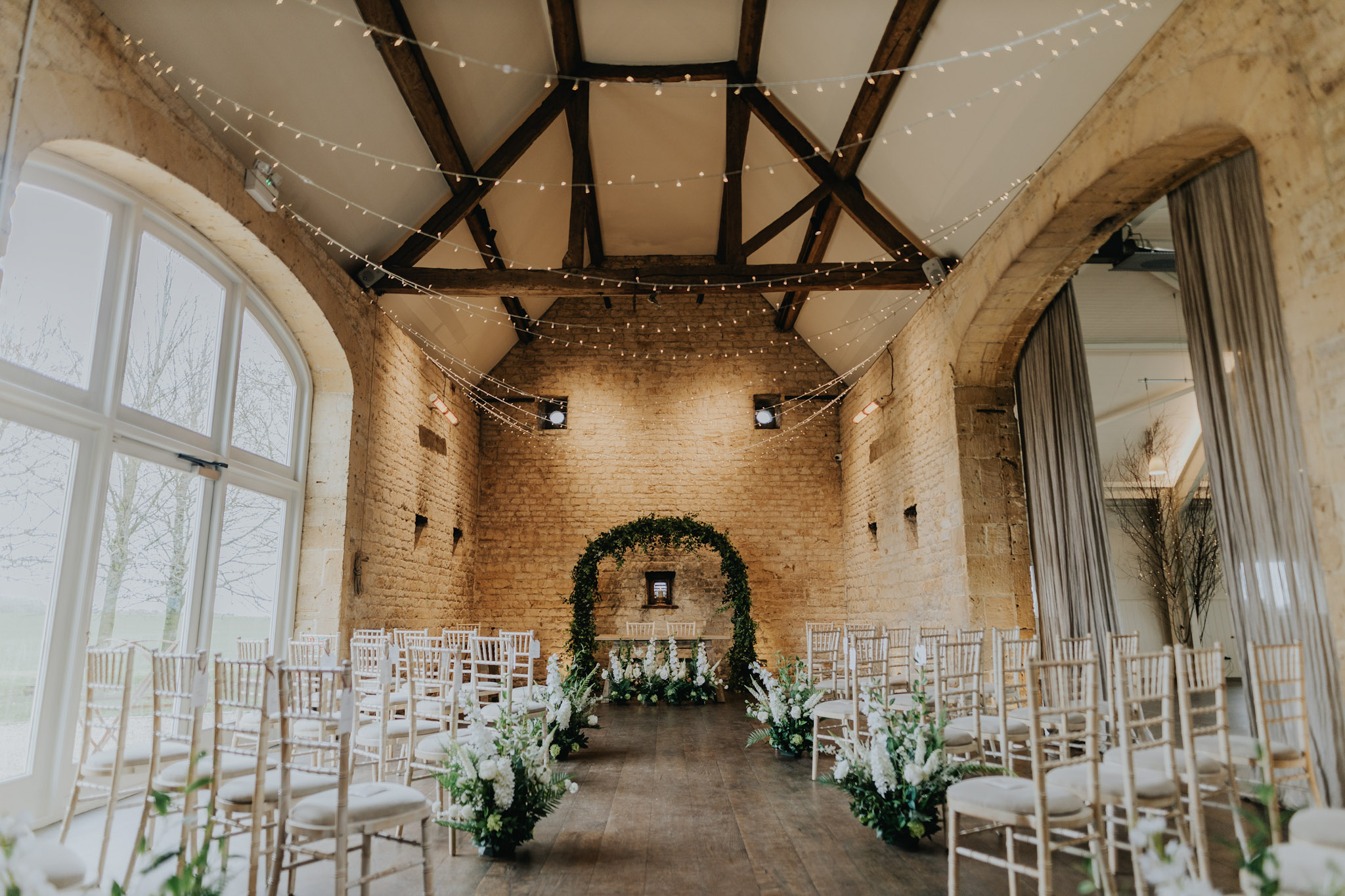
Many couples marrying at venues like Lapstone Barn opt for a 30-minute civil ceremony, which strikes the perfect balance between meaningful and beautifully paced – with time for readings and music without feeling rushed.
What Happens at a UK Wedding Ceremony Step-by-Step…
While every ceremony can be personalised, most UK wedding ceremonies follow a similar structure.
1. The Ceremony Venue
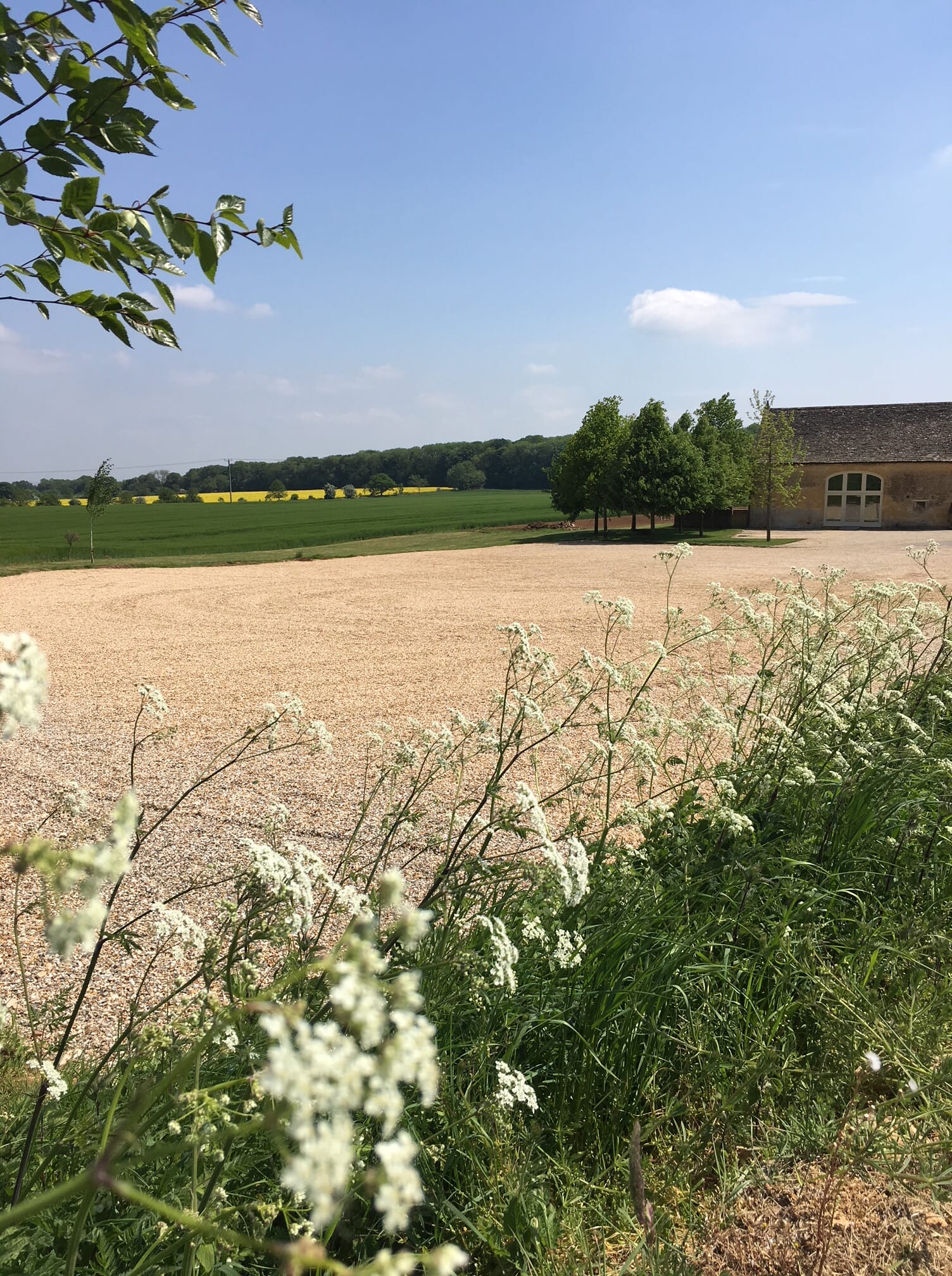
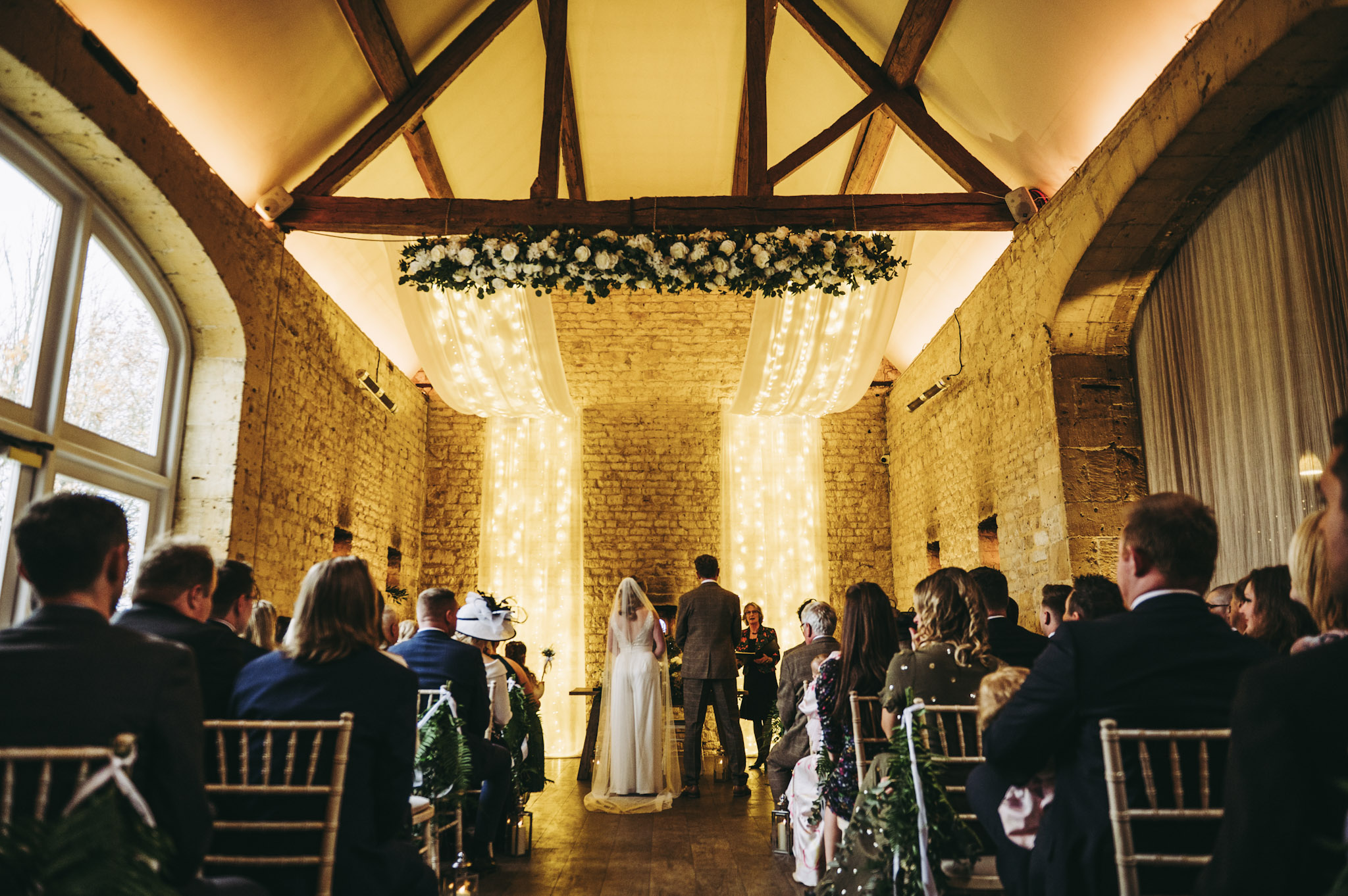
First things first: where you say “I do”. If you’re having a civil ceremony, your venue must be licensed for marriages. At Lapstone Barn, for example, 93% of couples choose to get married in our Grade II listed Cotswold stone barn, which is licensed for civil ceremonies and partnerships, allowing you to host your entire day in one beautiful location.
When choosing your ceremony venue, consider:
- Guest capacity
- Décor flexibility
- Music restrictions
- Indoor and outdoor options
- Weather contingency plans
More couples in 2026 and 2027 are prioritising venues that allow seamless transitions from ceremony to reception, keeping guests relaxed and the atmosphere flowing, and no worrying about what the weather is doing!
2. Arrival and Processional
This is one of the most emotional moments of the day. Traditionally, one partner walks down the aisle accompanied by a parent or loved one. However, modern ceremonies are wonderfully flexible. You might choose to:
- Walk down the aisle together
- Enter separately from different points
- Be accompanied by both parents
- Have a same-sex or non-traditional entrance
- Include children or pets
There’s no “right” way – it’s about choosing what feels authentic to you.
Music plays a key role here. Live musicians, acoustic versions of modern songs, and instrumental soundtracks are particularly popular choices for 2026 weddings.
3. Welcome and Introduction
Once everyone is in place, the registrar, vicar or celebrant will welcome your guests and introduce the ceremony.
In a civil ceremony, this often includes a short, personalised reflection about you as a couple. Many officiants now encourage couples to share their story beforehand, making this section feel warm and bespoke.
4. Readings, Poems or Music
Most ceremonies include one or two readings or musical interludes. In civil ceremonies, all content must remain non-religious. Church weddings, of course, include hymns, prayers and scripture readings.
This is your opportunity to involve loved ones and add personality. Popular ideas for 2026 and 2027 include contemporary poetry, extracts from novels, personal letters written by the couple or musical performances by siblings or close friends.
5. The Legal Declarations and Wedding Vows
This is the heart of the ceremony – and the part that makes your marriage legally binding. In a UK civil wedding, you must say specific legal declarations and contracting words in front of your registrar and witnesses. These cannot be altered.
However, many couples choose to add personal vows either within the ceremony (where permitted) or immediately after the legal wording.
In a church wedding, traditional vows are spoken, often with the option to choose between modern or traditional wording.
6. Exchange of Rings
Exchanging wedding rings is a long-established tradition that dates back to 6,000 years ago. While not a legal requirement in the UK, the exchange of rings is a deeply symbolic moment and included in most ceremonies. Signifying eternal love and commitment within a relationship, the ring represents your faith in the relationship. Traditionally crafted from durable gold, modern day wedding ring alternatives can include rings made from other metals or sustainable materials and even finger tattoos.
7. Declaration of Marriage
And then comes the moment everyone is waiting for! Your officiant will formally declare you married. Applause, cheers and happy tears usually follow – along with that all-important first kiss.
8. Signing the Marriage Schedule
Since legal changes in England and Wales in 2021, couples now sign a marriage schedule rather than a traditional register.
You’ll sign alongside your two chosen witnesses, while guests enjoy music or a short pause in proceedings. Many couples choose an instrumental piece or meaningful song for this moment.
After the ceremony, the signed schedule is submitted, and your official marriage certificate is issued afterwards by the register office.
9. The Recessional and Exit
Newly married and ready to celebrate! You’ll walk back down the aisle together, usually to an upbeat, joyful song. This is often followed by:
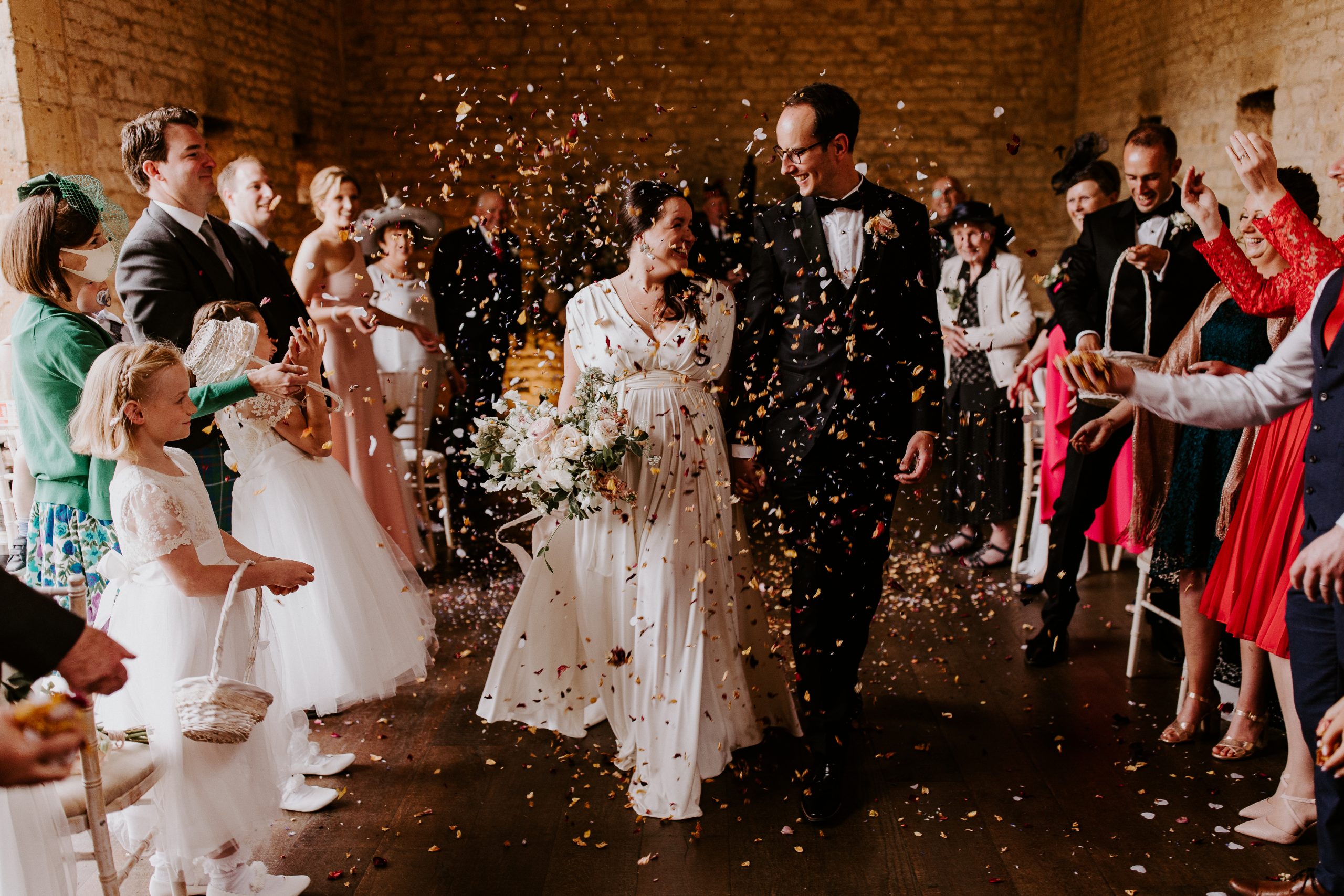
- A confetti moment
- A drinks reception
- Group photographs
At Lapstone Barn, we allow natural petal confetti outside the wedding barn doors – a beautiful way to begin the celebrations.
Civil Ceremony vs Church Wedding vs Celebrant: What’s the Difference?
Couples often ask about the differences between ceremony types.
Civil Ceremony
- Legally binding
- Non-religious
- Held at a registry office or licensed venue
- Conducted by a registrar
Church Wedding
- Legally binding
- Religious content
- Conducted by a vicar or priest
Celebrant or Humanist Ceremony
- Fully personalised
- Can include religious or spiritual elements (depending on type)
- Not legally binding in England (you’ll also need a separate legal ceremony)
Each offers a different atmosphere – it simply depends on what feels right for you.
Frequently Asked Questions About UK Wedding Ceremonies
1. What are the legal requirements for a UK wedding ceremony?
For a UK wedding ceremony, you must:
- Give notice of marriage at your local register office
- Hold the ceremony at a licensed venue (unless in a church)
- Include the legal declarations and contracting words
- Have two witnesses present
Your registrar will guide you through the exact wording required.
2. Can we write our own vows in a UK civil ceremony?
You must say the legal wording in a UK civil wedding ceremony, but many registrars allow additional personal vows, as long as they are non-religious. Always check in advance.
3. How many guests can attend a wedding ceremony?
How many guests you can have at a UK wedding ceremony depends entirely on your venue. Some registry offices are limited to 2–10 guests, while larger licensed venues like Lapstone Barn can accommodate up to 200 guests for your ceremony.
4. Can we have a personalised ceremony at a licensed wedding venue?
You can absolutely personalise your wedding ceremony in the UK. While legal wording cannot change, readings, music, processional choices and personal touches can all be tailored to reflect you as a couple.
Planning Your Wedding Ceremony for 2026 and 2027
Your wedding ceremony is more than just the formal part of the day. It’s the reason everyone has gathered. The promises. The emotion. The beginning of married life.
Take time to plan it thoughtfully. Speak to your venue, your registrar or celebrant. Choose readings that resonate. Select music that means something. And most importantly, make it feel like you.
If you’re looking for a licensed Cotswold wedding venue where your ceremony flows seamlessly into an unforgettable celebration, our experienced team of wedding coordinators at Lapstone Barn would love to help you start planning.
Get in touch to arrange a viewing and begin your journey to “I do”.